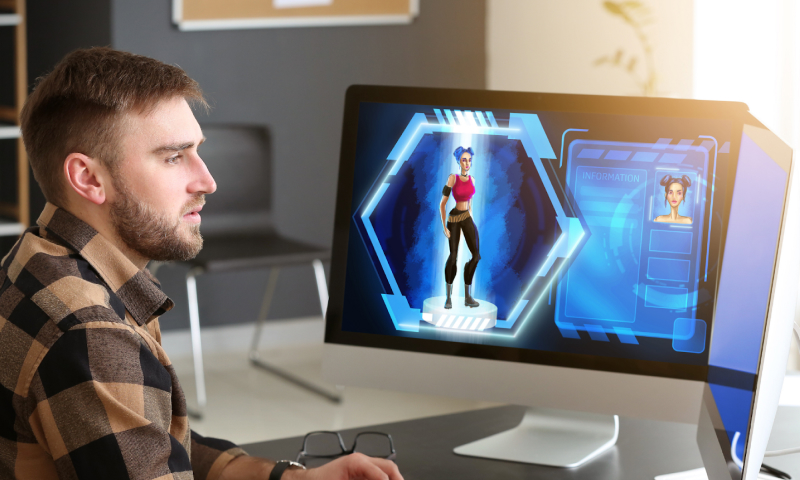
If you’ve glanced at a modern mobile game lately, you’ve probably noticed a lot of clean lines, bold contrasts, and layouts that feel less chaotic than some older digital slots. Things have shifted. Developers now build for the small screen, trying hard to make things feel intuitive and pleasing.
Much of this traces back to the broader wave of digital design upgrades driven by rapid changes in smartphone tech, but there’s also a real nod to Scandinavian design, celebrated for its pared-back elegance and smooth functionality. Over the past several years, you can spot these influences popping up not just in boutique architecture but also inside digital environments, especially in areas like casino interfaces and game hubs. While entertainment media obsesses over Nordic film visuals, there’s little actual evidence tying those exact cinematic styles to game app design.
Even new studies and commentary from 2024 point out that what you see in games on your phone springs mostly from a blend of global art and gaming trends, not from classic Nordic cinema or its specific mood-setting techniques.
Scandinavian Design in Contexts
Scandinavian design grew out of Northern European traditions, always valuing functionality, open layout, and those signature muted colors. In a, that shows up in the simple things: more natural light, touches of wood, modular furniture that does double duty. Such choices make spaces feel far less frantic than the typical flashing-light scene people usually imagine.
Interior designers, according to recent studies, purposefully lean on elements like potted plants, stone textures, and responsive surfaces specifically to keep interiors calm and reduce overload. Since about 2019, this Scandinavian approach has steadily refreshed land-based layouts.
Some bits carry over into online spaces. Interface creators pick up on the minimalist icons, soft palettes, and direct, straightforward menus drawn from these same ideas. Leading casino platforms exemplify this shift, integrating clean UI features that simplify play and reduce distraction, contributing to a streamlined user experience irrespective of device. In the end, it’s still about stripping away the visual clutter, making interaction easier, and nudging the digital feel of games away from their noisy, neon-filled predecessors.
Film Aesthetics and Representations
Film likes to ramp up the glamour in depictions: harsh spotlights, stylish suits, and many camera close-ups to build tension. On screen, you find exaggerated sets, rapid-fire editing, and musical scores that push suspense to the edge. This pattern deeply shapes how much of the public thinks about it, but when you narrow in on Scandinavian film as an influence, the connection is pretty slim.
Nordic cinema, especially in the noir style, leans quiet and careful, with dull color grades, scarce lighting, fewer glitzy visuals. These traits rarely end up in games. Even when you hunt around digital game releases; the stark shadows or moody cool hues that define many Nordic movies stay mostly absent.
Game designers don’t draw directly from those cinematic touches, instead, they gravitate toward broad, often global themes like adventurous questing or sci-fi spectacle. That’s what you’re more likely to spot in current digital environments.
Mobile Platform Trends in Games
The mobile space moves fast. Snappy graphics, fleeting animations, and minimal wait times are practically requirements now. Developers tailor everything, from reel spins to winning effects, to fit the smaller, sometimes distracted audience playing on phones. Themes change; one game travels to ancient worlds, another leans futuristic. Symbols flash, fonts stand out, and soundtracks get custom treatment.
But, in all the analysis looking at recent top-performing releases, direct lifts from Scandinavian film aren’t landing in these games. Instead, you see a continued emphasis on making things clear, bold, and universally readable, sidestepping borrowed cinematic moods. So for now, the big visual influences shaping these games come from a wider menu of international pop culture and practical digital design, not from the cool, muted energy of Nordic cinema.
Broader Trends and the Role of Minimalist Aesthetics
Minimalism itself, a staple of Scandinavian design, now guides more than just visuals. In tech, that means logos stay modest, animations fade in quietly, and pages feature a lot of breathing room. Makers of games increasingly strip away anything fussy, hoping everyone finds it simple to join in.
Calming colors, clear routes through menus, and layouts that make sense all feed into this. Analysts believe that as mobile play dominates digital gaming time, expected to remain over half of all hours spent gaming in 2024, the demand for this understated polish keeps climbing. Still, when it comes to the nitty-gritty of what really inspires most games, actual Nordic film impacts are limited or simply missing, at least according to the most current industry research.
Responsible Gameplay Considerations
As more people spend time with games on their mobile devices, there are important considerations around responsible play. Setting boundaries, like breaks or spending limits, can make all the difference. There are tools to help monitor habits, too.
Picking trusted platforms and checking in with yourself about motivation remain simple ways to maintain balance. Focusing on mindful engagement benefits both individuals and the wider player community by promoting safer, healthier patterns of play.