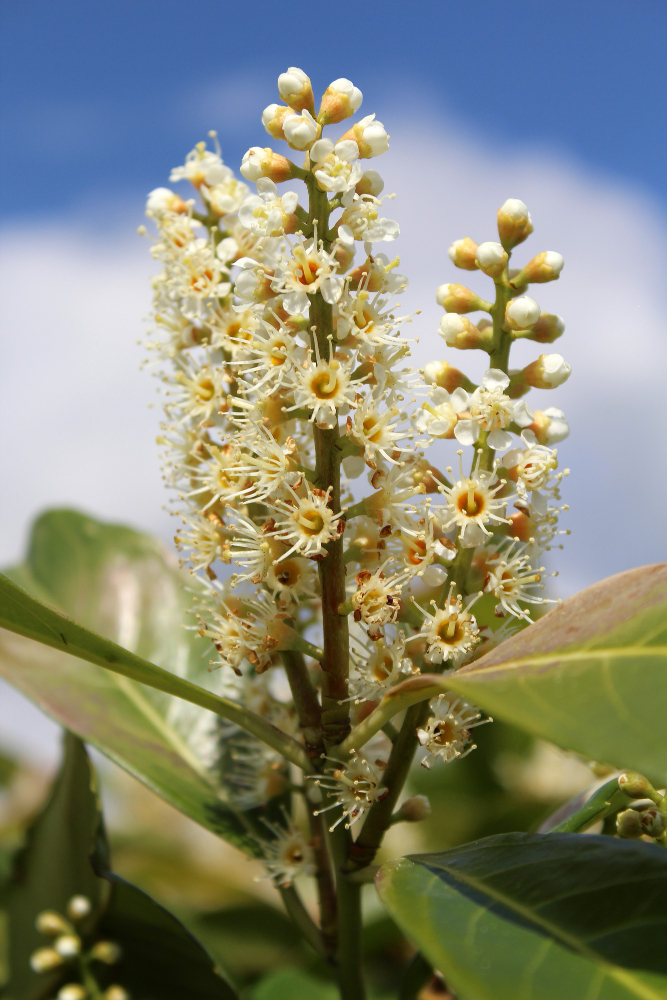
The Boylecheloid flower is one of nature’s lesser-known botanical treasures, captivating gardeners, botanists, and flower enthusiasts alike with its unique charm. While it may not be as commonly recognized as roses or tulips, this exquisite flower holds a special place in horticultural studies and ornamental gardening due to its distinctive features, fascinating biology, and ecological significance. In this article, we will explore the Boylecheloid flower in depth—from its botanical characteristics to its cultivation, benefits, and symbolic meanings.
What is the Boylecheloid Flower?
The Boylecheloid flower is a flowering plant species known for its unusual morphology and vibrant appearance. Native to specific temperate regions, it thrives in well-drained soil with moderate sunlight. Unlike more common ornamental flowers, the Boylecheloid has evolved unique structural adaptations that allow it to survive in diverse environments, making it a subject of interest among botanists and ecological researchers.
One of the most striking aspects of the Boylecheloid flower is its petal arrangement. Typically, the petals exhibit a layered, almost geometric pattern that resembles a spiral, giving the flower a visually appealing symmetry. The colors can range from soft pastels to deep, intense shades, often with gradient transitions that enhance its aesthetic value.
Botanical Characteristics
Understanding the botanical characteristics of the Boylecheloid flower is essential for gardeners, horticulturists, and plant enthusiasts. Here are some of the key features:
- Leaves: The leaves of the Boylecheloid are generally elongated with slightly serrated edges. They are often glossy, with a rich green hue that provides a stunning contrast to the vivid petals.
- Stems: The stems are sturdy yet flexible, allowing the plant to withstand moderate winds and rainfall. They also support the flower clusters efficiently, preventing drooping even during heavy blooming seasons.
- Flowers: The flowers bloom in clusters, usually from early spring to late summer, depending on the climate. Each flower can last several days, maintaining its vibrant appearance throughout its lifecycle.
- Reproduction: The Boylecheloid flower reproduces primarily through seeds, although some species can also propagate via cuttings. Its pollination relies on insects, particularly bees and butterflies, which are attracted to its bright colors and nectar-rich petals.
Habitat and Growing Conditions
The Boylecheloid flower is highly adaptable, making it suitable for a variety of environments. However, optimal growth requires certain conditions:
- Soil: Well-drained, loamy soil is ideal. The flower does not thrive in waterlogged areas. Adding organic compost enhances growth and promotes more vibrant blooms.
- Sunlight: Full to partial sunlight is necessary for healthy development. While the plant can tolerate light shade, insufficient sunlight may result in stunted growth and fewer flowers.
- Watering: Moderate watering is sufficient, though the soil should be kept moist during dry periods. Overwatering can lead to root rot, which may be fatal for the plant.
- Climate: Boylecheloid flowers prefer temperate climates but can adapt to subtropical areas with proper care. They are moderately frost-tolerant, making them suitable for seasonal gardens in cooler regions.
Cultivation and Care Tips
Cultivating Boylecheloid flowers can be a rewarding experience, especially for gardeners looking to diversify their flower beds. Here are some tips for successful cultivation:
- Planting: Choose a location with good sunlight and fertile soil. Plant seeds or cuttings in early spring to maximize the growing season.
- Spacing: Ensure sufficient spacing between plants to allow proper airflow and prevent fungal diseases. A spacing of 12-18 inches is generally recommended.
- Fertilization: Use a balanced, slow-release fertilizer during the growing season. Avoid excessive nitrogen, as it can lead to excessive leaf growth at the expense of flowers.
- Pruning: Regular pruning of dead or damaged stems encourages new growth and promotes a fuller flower display. Prune after the flowering season to maintain plant health.
- Pest Control: While generally resilient, Boylecheloid flowers may occasionally attract aphids or spider mites. Natural remedies, such as neem oil or insecticidal soap, are effective in managing pests without harming the plant.
Ecological Importance
The Boylecheloid flower is more than just a visual delight; it plays a vital role in its ecosystem. Its nectar attracts pollinators like bees, butterflies, and even hummingbirds, contributing to biodiversity and the health of surrounding flora. Additionally, its seeds provide food for small birds and insects, while its foliage offers shelter to various garden creatures.
By planting Boylecheloid flowers, gardeners not only enhance the beauty of their surroundings but also support ecological balance and encourage the survival of pollinators, which are crucial for sustainable agriculture and plant reproduction.
Symbolism and Cultural Significance
Though not widely known, the Boylecheloid flower carries meaningful symbolism. In various cultures, flowers with complex structures and vibrant colors are often associated with growth, resilience, and creativity. The Boylecheloid, with its layered petals and radiant hues, symbolizes harmony, patience, and the beauty of nature’s design.
Some gardeners and floral enthusiasts use Boylecheloid flowers in arrangements for weddings, celebrations, and decorative purposes, appreciating their unique structure and ability to convey elegance and refinement.
Popular Uses
The versatility of the Boylecheloid flower makes it suitable for multiple applications:
- Ornamental Gardening: Its vibrant petals and structured bloom make it a perfect choice for flower beds, borders, and decorative gardens.
- Cut Flowers: Due to their durability and long-lasting blooms, Boylecheloid flowers are excellent for floral arrangements and indoor decoration.
- Educational Purposes: The unique morphology of the flower makes it a subject of study for botany students and researchers, providing insights into plant evolution and adaptation.
- Pollinator Gardens: Planting Boylecheloid flowers helps attract and sustain pollinators, supporting a healthier ecosystem.
Growing Boylecheloid Flower Indoors
While primarily an outdoor plant, certain varieties of the Boylecheloid flower can be cultivated indoors with proper care. Here are a few tips:
- Use a well-draining potting mix and a container with drainage holes.
- Place the plant near a window that receives bright, indirect sunlight.
- Maintain consistent moisture but avoid waterlogging.
- Rotate the plant occasionally to ensure even growth and prevent leaning toward the light.
Indoor cultivation allows enthusiasts to enjoy the beauty of Boylecheloid flowers year-round and creates a refreshing green space inside the home.
Common Challenges
While the Boylecheloid flower is relatively hardy, gardeners may face some challenges:
- Pests: Aphids, mites, and caterpillars can occasionally damage leaves and flowers.
- Diseases: Fungal infections such as powdery mildew may occur in humid conditions. Adequate spacing and proper watering reduce these risks.
- Climate Sensitivity: Extreme temperatures may hinder growth, making seasonal care essential.
Despite these challenges, with proper attention and care, Boylecheloid flowers can thrive beautifully, rewarding gardeners with stunning blooms.
Conclusion
The Boylecheloid flower is a remarkable botanical wonder that deserves more recognition for its beauty, adaptability, and ecological value. Whether you are a seasoned gardener, a budding botanist, or a flower enthusiast looking to add unique plants to your collection, the Boylecheloid flower offers an exceptional combination of aesthetic appeal and environmental significance.